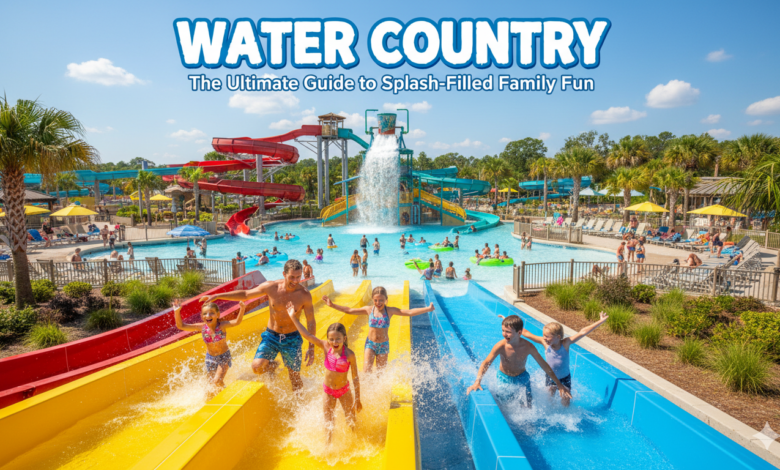
Have you ever dreamed of a place where the sun always shines and the water is always refreshing? Welcome to Water Country, the ultimate destination for families who love to get soaked! Whether you are a fan of high-speed slides or just want to float down a lazy river, this park has something for everyone. It is not just about the rides; it is about making memories that last a lifetime. When you step through the gates, you feel the excitement in the air. The sound of splashing water and happy cheers tells you that a great day is starting. We have spent years exploring these parks, and we know exactly how to make your visit perfect. So, grab your sunscreen and your favorite swimsuit because we are about to dive deep into everything this amazing park has to offer!
Why Water Country is the Best Summer Spot
There are many places to cool off, but Water Country stands out because it focuses on pure joy. The park is designed to be easy to navigate, which is great for parents with young children. You will find that the staff is very friendly and always ready to help you find the next big thrill. From the moment you arrive, the focus is on safety and fun. This is why so many families return year after year. It feels like a community where everyone is there to have a blast. Plus, the park keeps adding new things to keep the experience fresh. It truly earns its reputation as a top-tier “water country” destination for travelers from all over.
Planning Your Visit: What to Know Before You Go
Before you head out to Water Country, a little bit of planning goes a long way. You should always check the weather forecast to make sure it is a sunny day. It is also smart to buy your tickets online ahead of time. This helps you skip the long lines at the gate and saves you some money too! Make sure to pack a bag with towels, extra clothes, and plenty of waterproof sunscreen. If you arrive early, you can snag a great spot in the shade to use as your home base for the day. Remember, the goal of Water Country is to relax and enjoy, so don’t rush. Taking a few minutes to organize your day will make the whole trip much smoother for everyone involved.
A Closer Look at the Best Attractions
| Attraction Name | Thrill Level | Best For | Fun Factor |
| Giant Wave Pool | Medium | Everyone | 10/10 |
| Turbo Tunnel | High | Adrenaline Junkies | 9/10 |
| Lazy River | Low | Relaxing | 8/10 |
| Kiddie Kingdom | Low | Small Children | 10/10 |
| Raft Adventure | Medium | Groups of Friends | 9/10 |
Riding the Waves in the Giant Pool
One of the main stars of Water Country is the massive wave pool. It feels like you are at the ocean, but without the salt and sand! Every few minutes, the big bells ring, and that means the waves are coming. You can jump over the waves or just bob around on a tube. It is a great place for the whole family to hang out together. Even if you are not a strong swimmer, the shallow end is perfect for splashing around. We love how the waves make everyone laugh at the same time. It is a shared experience that brings people together. Just make sure to keep an eye on your little ones, even though lifeguards are always watching closely.
Speed and Thrills on the High Slides
If you crave speed, the slides at Water Country will not disappoint you. There are tall towers that look a bit scary from the bottom, but they are so much fun! You can choose between dark tunnels, open-air drops, or winding turns that make you dizzy with joy. My personal favorite is the slide that lets you race your friends to the bottom. There is nothing like the feeling of the wind in your face as you zoom down. These rides are designed with the latest technology to ensure they are both fast and safe. For many visitors, these slides are the reason they keep coming back to this “water country” paradise every single summer.
Relaxing Times on the Lazy River
After all that excitement, you might need a break. That is where the lazy river at Water Country comes in. You just hop on a soft tube and let the gentle current carry you away. It is the perfect time to chat with your friends or just close your eyes and enjoy the sun. The river usually winds through beautiful trees and under cool bridges. It is a slow-paced journey that recharges your batteries for the next round of slides. We recommend doing a few laps around the river whenever you feel a bit tired. It is the most peaceful part of the park and a favorite for people of all ages.
Fun for the Little Ones at Kiddie Kingdom
We know that small children need their own special place to play. Water Country has a dedicated area just for toddlers and young kids. The water is very shallow, and the slides are small and gentle. There are often fun fountains that spray water in silly patterns. This area is great because it allows kids to build confidence in the water without being overwhelmed by the big rides. Parents can sit nearby and watch their children play safely. It is a wonderful spot for those “first splash” photos that you will cherish forever. Making sure the youngest guests have fun is a big part of what makes this park so special.
Delicious Snacks and Refreshing Drinks
Playing in the water all day makes you very hungry! Luckily, Water Country has plenty of food options to keep you fueled up. You can find classic treats like juicy burgers, crispy fries, and cold ice cream. If you want something a bit healthier, many parks now offer fresh salads and fruit cups too. Don’t forget to drink plenty of water throughout the day to stay hydrated. We always suggest grabbing a snack mid-afternoon to avoid the lunch rush. Eating a meal together is a nice way to sit down and talk about your favorite rides of the day. The food at the park is part of the whole fun experience!
Safety First: Staying Secure at the Park
Safety is the number one priority at Water Country. There are highly trained lifeguards stationed at every pool and slide. They are there to make sure everyone follows the rules and stays safe. It is important to listen to their instructions at all times. You should also make sure to wear a life vest if you are not a strong swimmer; the park usually provides them for free! Another tip is to wear water shoes to protect your feet from hot pavement. By following the simple rules, you ensure that your only worry is which slide to ride next. A safe trip is a happy trip for every family.
How to Beat the Crowds Like a Pro
Nobody likes waiting in long lines, but at a popular place like Water Country, it can happen. To avoid the crowds, try to visit on a weekday instead of the weekend. Tuesday and Wednesday are usually the quietest days. Another trick is to go to the most popular slides as soon as the park opens. Most people stay near the front of the park first, so head to the back instead! You can also eat lunch a little early or a little late to avoid the long food lines. Using these small tips will help you get more rides in and spend less time standing around. Your time is valuable, and we want you to enjoy every second.
Creating Lasting Memories with Family
At the end of the day, Water Country is about the smiles on your children’s faces. It is about the time you spent laughing together in the wave pool or racing down a slide. These are the stories you will tell at dinner for years to come. In our busy world, it is nice to have a place where you can just focus on having fun. The park provides the setting, but you provide the heart. Whether it is your first visit or your tenth, there is always something new to discover. We believe that a day spent at this “water country” is a day well spent. It is an investment in happiness and family bonding.
Conclusion: Dive Into the Fun Today!
As the sun begins to set on your day at Water Country, you will likely feel tired but very happy. You have conquered the slides, braved the waves, and relaxed in the sun. This park truly is a magical place for anyone who loves water and adventure. We hope this guide helps you plan a trip that is organized, safe, and filled with excitement. There is no better way to beat the heat and enjoy the summer season. So, what are you waiting for? The water is warm, the slides are ready, and a world of fun is waiting for you. Grab your gear and head out to make some a big splash today!
Frequently Asked Questions (FAQs)
1. What should I wear to Water Country?
You should wear a comfortable swimsuit. It is also a good idea to bring water shoes to protect your feet and a hat for when you are out of the water.
2. Can I bring my own food into the park?
Most Water Country locations have specific rules about outside food. It is best to check their website, but most people enjoy the delicious snacks available inside the park.
3. Is the park safe for people who cannot swim well?
Yes! The park offers life vests for free, and there are many shallow areas. Lifeguards are also everywhere to keep everyone safe.
4. Are there lockers available to store my things?
Yes, there are usually plenty of lockers you can rent for the day. This is a great way to keep your phone and wallet safe while you are on the slides.
5. What happens if it rains during my visit?
If there is just a little rain, the park usually stays open. However, if there is lightning, they will close the slides for safety. Check their “rain check” policy before you buy tickets!