How Smart Inventory Positioning Is Unlocking Faster Growth in Southeast Asian Ecommerce

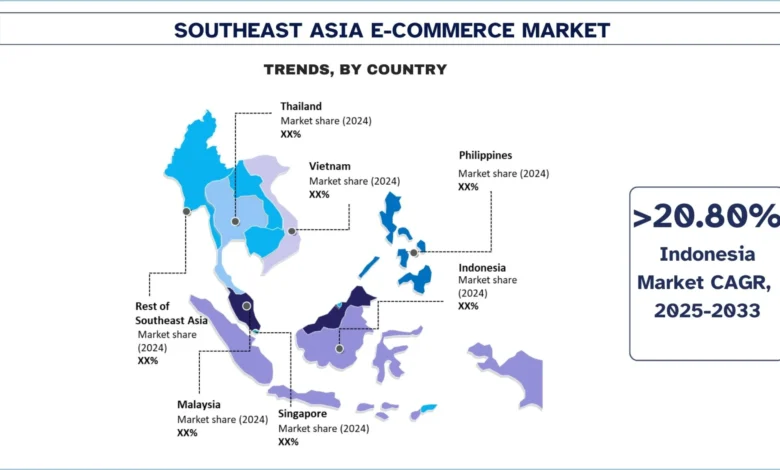
Ecommerce growth in Southeast Asia is no longer just about acquiring customers—it’s about serving them better, faster, and more consistently. Markets across the region are maturing, and businesses are realizing that operational excellence is becoming just as important as marketing and product strategy. Among these markets, e-commerce in the Philippines stands out as a strong example of how growth and operational innovation are evolving together.
With increasing digital adoption, mobile-first consumers, and expanding logistics infrastructure, the Philippines presents a compelling opportunity for ecommerce brands. But what’s particularly interesting is how businesses are beginning to rethink inventory and fulfillment strategies—not as backend processes, but as growth enablers.
From Demand Generation to Demand Fulfillment
For years, ecommerce strategy was heavily focused on generating demand—running campaigns, optimizing product listings, and expanding into new marketplaces. While these efforts remain important, they are no longer sufficient on their own.
Today, the ability to fulfill demand efficiently is becoming a key differentiator. Customers expect faster deliveries, accurate stock availability, and seamless experiences across channels. Businesses that can meet these expectations consistently are seeing stronger retention, higher conversion rates, and improved customer lifetime value.
In markets like the Philippines, where ecommerce adoption is accelerating, this shift is particularly evident. As competition increases, operational efficiency is becoming a critical factor in sustaining growth.
Why Inventory Positioning Is the New Growth Lever
One of the most impactful changes in ecommerce strategy is the focus on where inventory is stored, not just how much inventory is available. Traditional models often relied on centralized storage, but modern ecommerce businesses are moving toward more distributed approaches.
This shift is driven by a simple insight: proximity to the customer matters. When inventory is positioned closer to key demand centers, businesses can reduce delivery times, lower shipping costs, and improve overall service levels.
A robust warehouse management system enables this strategy by providing real-time visibility into inventory across multiple locations. Instead of managing stock in isolation, businesses can coordinate inventory across warehouses, ensuring that products are available where they are needed most.
This level of control allows companies to move beyond reactive fulfillment and adopt a proactive approach to inventory planning.
The Role of Data in Smarter Fulfillment Decisions
Modern ecommerce operations generate vast amounts of data—from order volumes and customer locations to product demand patterns and delivery timelines. The challenge is not collecting this data, but using it effectively.
Businesses that leverage data-driven insights can make smarter decisions about inventory placement and order fulfillment. For example:
- Identifying high-demand regions and positioning inventory accordingly
- Anticipating seasonal spikes and adjusting stock levels in advance
- Reducing delivery times by aligning inventory with customer clusters
- Minimizing stock transfers between warehouses
These decisions require more than just visibility—they require coordination. This is where ecommerce order management systems play a key role. By connecting order data with inventory availability, these systems ensure that every order is fulfilled from the most optimal location.
Instead of relying on static rules, businesses can dynamically route orders based on real-time conditions, improving both efficiency and customer experience.
Building Resilience Through Distributed Operations
Another advantage of smart inventory positioning is resilience. Ecommerce operations are increasingly exposed to disruptions—whether due to demand spikes, supply chain delays, or logistical constraints.
Distributed inventory models help mitigate these risks by reducing dependence on a single location. If one warehouse faces delays or capacity issues, others can compensate, ensuring continuity in fulfillment operations.
A centralized warehouse management approach supports this resilience by maintaining visibility and control across all locations. Businesses can monitor stock levels, track movements, and reallocate inventory as needed to maintain balance across the network.
This flexibility allows companies to respond quickly to changes without compromising service quality.
Enhancing Customer Experience Through Operational Precision
Ultimately, the goal of any ecommerce strategy is to deliver a better customer experience. While product quality and pricing remain important, fulfillment plays an increasingly central role in shaping customer perceptions.
Fast and reliable delivery builds trust. Accurate stock availability reduces frustration. Consistent service across channels creates a seamless experience.
By aligning inventory positioning with order fulfillment strategies, businesses can deliver on these expectations more effectively. Customers receive their orders faster, with fewer errors and delays, leading to higher satisfaction and repeat purchases.
Unlocking Long-Term Growth Potential
The evolution of ecommerce in Southeast Asia—and particularly in the Philippines—highlights an important shift in how businesses approach growth. Operational excellence is no longer a supporting function; it is a core driver of success.
Companies that invest in smarter inventory positioning and integrated fulfillment systems are better equipped to scale sustainably. They can handle increasing order volumes, expand into new regions, and adapt to changing market conditions without losing efficiency.
This approach also creates a foundation for innovation. With strong operational systems in place, businesses can experiment with new delivery models, expand product offerings, and explore new sales channels with confidence.
Conclusion
The next phase of ecommerce growth is being shaped not just by how well businesses attract customers, but by how effectively they serve them. In markets like e-commerce in the Philippines, this shift is already underway, with companies rethinking fulfillment as a strategic advantage rather than a logistical necessity.
By leveraging a powerful warehouse management system and integrating it with intelligent ecommerce order management, businesses can align inventory with demand, improve delivery performance, and build resilient operations.
In doing so, they move beyond simply keeping up with growth—they position themselves to lead it.