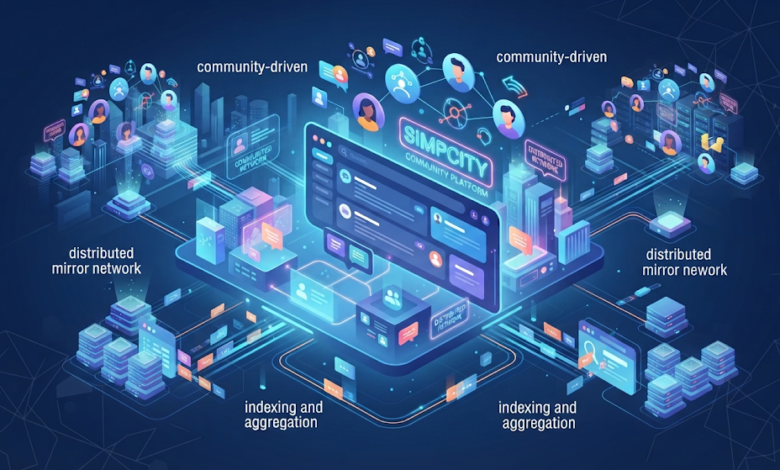
The internet is full of specialized online communities, message boards, and niche indexing hubs that function entirely out of the mainstream spotlight. Among the heavily discussed and searched platform names in modern web traffic analysis is simpcity. If you have encountered this term online or across digital culture discussions, you might be wondering what the platform actually is, how its forum layout functions, and why it frequently trends in search engine queries.
This comprehensive guide breaks down the structure, history, and mechanics of the platform with an objective, analytical lens.
What is SimpCity? An Overview of the Community Platform
At its core, simpcity operates as a large-scale, community-driven internet forum and discussion board.Rather than acting as a traditional content creation website, the platform functions similarly to legacy message boards where registered users congregate to share links, participate in conversational threads, and organize digital media into categorized boards.
The ecosystem relies heavily on user-generated submissions, meaning the platform itself does not typically produce original media.Instead, it acts as an indexing and aggregation layer where participants post external links, discuss popular online personalities, and organize media archives using tagging taxonomies.
Key Characteristics of the Forum Layout:
- Message Board Architecture:Content is divided into distinct categories, sub-boards, and individual user threads.
- Distributed Linking:Rather than hosting large files directly on a single centralized server, the platform relies on external file-hosters and mirrored architecture.
- Community Taxonomy:Threads are typically categorized by creator names, specific online platforms (such as subscription services or social media networks), and specific content formats.
How the Infrastructure and Mirror Network Operate
One of the defining technical traits of the simpcity ecosystem is its reliance on distributed mirror networks and alternative top-level domains (TLDs). Mainstream web platforms usually rely on a single, permanent domain name. However, platforms structured around community-driven aggregation frequently implement alternative strategies to maintain operational continuity.
Why Mirror Networks Are Utilized:
- Downtime Mitigation: Distributing traffic across multiple secondary domains or mirror servers prevents total site failure during heavy traffic spikes.
- Domain Resiliency: Utilizing international country-code top-level domains (ccTLDs) helps insulate platforms against sudden domain seizures or strict administrative takedowns.
- Redundancy: Mirror networks ensure that if one node or server link experiences connectivity errors (such as 403 or 502 gateway timeouts), community members can often route through alternative mirrored portals.
Navigational Trends and Search Behavior
The search volume surrounding simpcity typically spikes in correlation with technical changes, domain migrations, or shifts in internet culture trends. Because the platform frequently updates its operational mirrors or primary URL extensions (such as shifts to alternative domain suffixes), users frequently query search engines to check platform status, find working access links, or locate specific creator index threads.
When looking up content or navigating the forum index, regular participants usually rely on precise keyword matching, creator handles, and specific tag filters to navigate thousands of active conversation threads.
Frequently Asked Questions (FAQs)
1. What exactly is SimpCity?
SimpCity is an online forum and discussion-based platform where users create threads, share external links, and discuss content related to various online creators, influencers, and internet personalities.
2. Why does the platform frequently change its domain name?
Like many large message boards and link-aggregation networks, the site utilizes alternative top-level domains and mirror sites to maintain high availability and protect against sudden domain interruptions.
3. Does SimpCity host files directly on its servers?
No. The platform primarily functions as a text and link-sharing index rather than a direct file repository, relying instead on external hosting links provided by community members.
4. Why are there so many search queries for its status?
Because alternative domain networks occasionally face routing shifts, connectivity drops, or DNS resolution changes, users frequently search for updates to see which mirror links are currently active.
Conclusion
Understanding platforms like simpcity requires looking at how modern internet subcultures utilize distributed forums, mirror networks, and tag-based taxonomies to organize massive quantities of web data. While its structure reflects classic message board traditions, its reliance on alternative domains keeps it a frequent subject of technical web analysis.
If you are interested in exploring more about digital communities, internet history, or the evolution of web architecture, check out our related articles on modern forum dynamics and content-sharing networks.