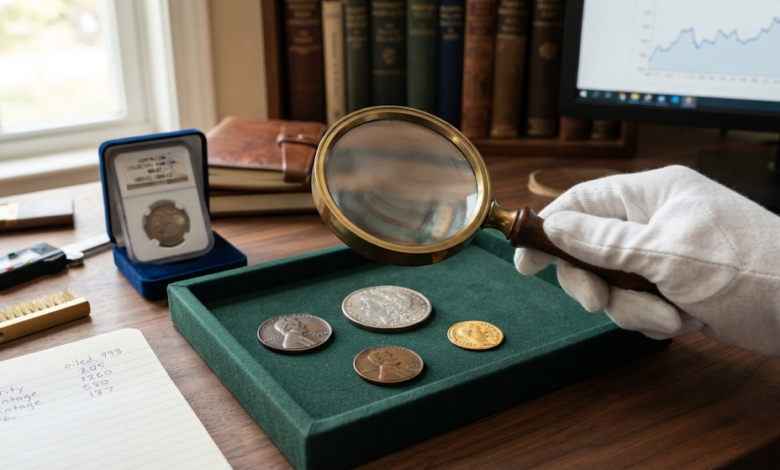
Have you ever wondered if that old coin sitting in your drawer is worth a small fortune? Coin collecting—or numismatics—is a fascinating hobby that blends history, art, and high-stakes investment. Whether you are a seasoned collector or just starting out, navigating the market requires a solid understanding of how to find and value coyyn.com rare coins.
From historic gold pieces to scarce silver mint errors, tracking down unique currency has never been more exciting. In this guide, we will break down everything you need to know about evaluating rare coin collections, reading market cycles, and identifying hidden treasures.
Why Rare Coin Collecting is Gaining Momentum
The appeal of physical collectibles goes far beyond simple nostalgia. In a rapidly digitizing economy, tangible assets provide a sense of security and enduring historical value.
- Tangible Wealth: Unlike digital currency, rare coins are physical assets you can hold, display, and pass down through generations.
- Historical Significance: Each piece carries the distinct story of the era it was minted in, reflecting past economies, leaders, and cultures.
- Investment Potential: Scarce coins often appreciate significantly over time, outperforming traditional savings instruments when chosen carefully.
Key Factors That Determine Coin Value
Not all old coins are worth a fortune. If you are exploring the marketplace through resources like coyyn.com rare coins, you will notice that valuation depends heavily on a few core metrics.
1. Rarity and Mintage Numbers
The total number of coins originally minted—and how many survived the melting pot—dictates scarcity. A low mintage figure is often the primary driver behind a massive price tag.
2. Condition and Coin Grading
Condition is everything in numismatics. Professional grading services use the Sheldon Scale (from 1 to 70) to evaluate wear and tear. A coin graded MS-70 (Mint State Perfect) can be worth thousands of times more than the exact same coin in worn condition.
3. Historical Demand
Even a rare coin might fetch a modest price if nobody wants to buy it. High collector demand for specific series, such as early American gold or historic European silver, keeps market prices competitive.
Essential Tips for Safe Coin Collecting
Jumping into the rare coin market without a plan can lead to costly mistakes. Follow these practical steps to protect your investments:
- Educate Yourself First: Read established coin guides and study auction results before purchasing high-ticket items.
- Verify Authenticity: Counterfeits do exist. Always buy from reputable dealers or platforms that offer certified authentication.
- Store Properly: Keep your collection in a climate-controlled environment using PVC-free holders to prevent environmental damage and corrosion.
Frequently Asked Questions
How do I know if my old coin is actually rare?
Check the date, mint mark, and overall condition. Cross-reference these details with professional numismatic price guides or use trusted online hubs like coyyn.com rare coins to research historical auction values.
Should I clean my rare coins before selling them?
Never clean your coins. Cleaning leaves microscopic scratches and alters the natural patina, which can wipe out up to 50% or more of a coin’s numismatic value.
What is the best way to store a valuable coin collection?
Store your coins in airtight, archival-safe holders (like slabs provided by third-party grading services) and keep them in a secure lockbox or safe.
Conclusion
Diving into the world of numismatics is an rewarding journey that combines historical discovery with smart asset tracking. By understanding the core principles of grading, rarity, and safe storage, you can build a collection that stands the test of time. Ready to take your knowledge to the next level? Explore related digital finance hubs and market tracking tools to start analyzing modern coin trends today!